
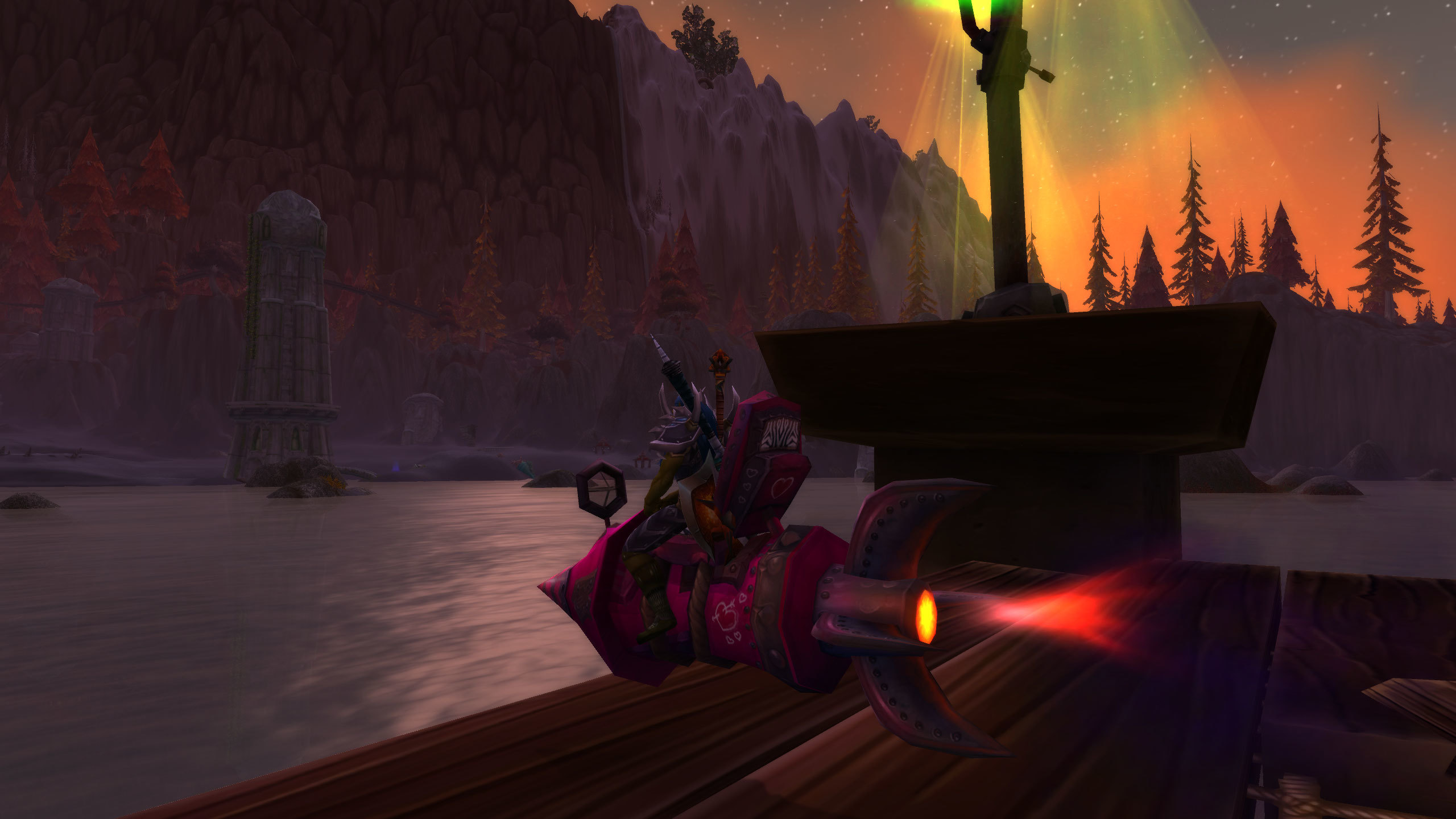
In World of Warcraft (WoW), the journey of a character is not just about gaining levels or gear. It is a fundamental shift in identity that mirrors the player’s growth within the narrative. An expansion starts by casting the player as a simple adventurer seeking fortune, but by the end, they are treated as a legendary champion capable of defying gods. This guide explores the structure of this progression, breaking down the elements that elevate a character from a local hero to a force of nature. It’s about understanding the narrative arc of power, identifying the design choices that mark this transition, and appreciating the artistry that makes players feel like they truly earned their status as Azeroth’s protectors.
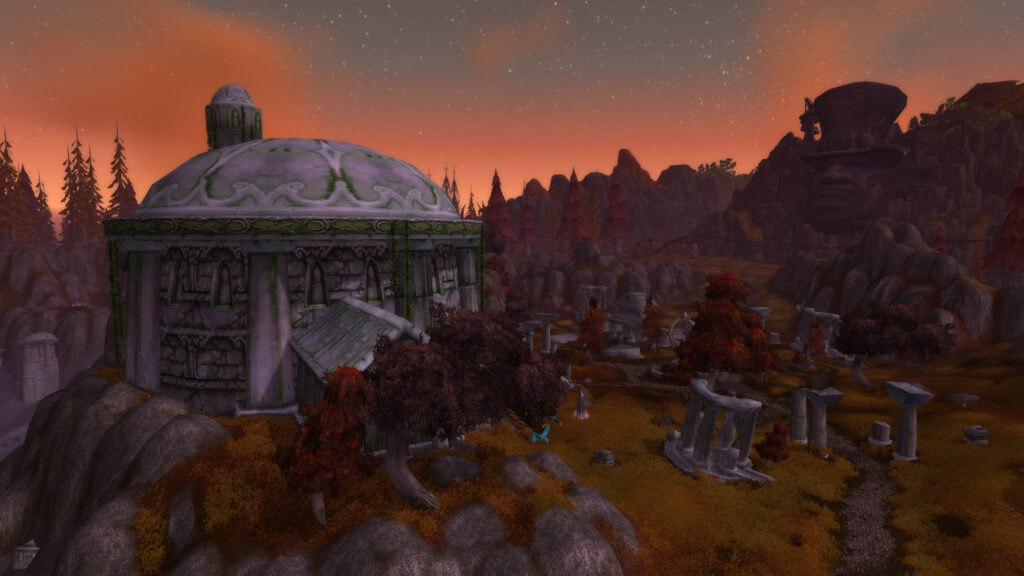
The Stages of Power Progression
The transition begins in the leveling phase. Here, the player is an adventurer, dealing with local threats, helping farmers, and solving regional problems. The stakes are low, and the world feels large and dangerous. This phase grounds the player, establishing a connection to the world and its people. As the content shifts toward endgame, the focus narrows to a grander scale. The player moves from being a helpful traveler to a champion, someone who coordinates armies and leads assaults on enemy strongholds.
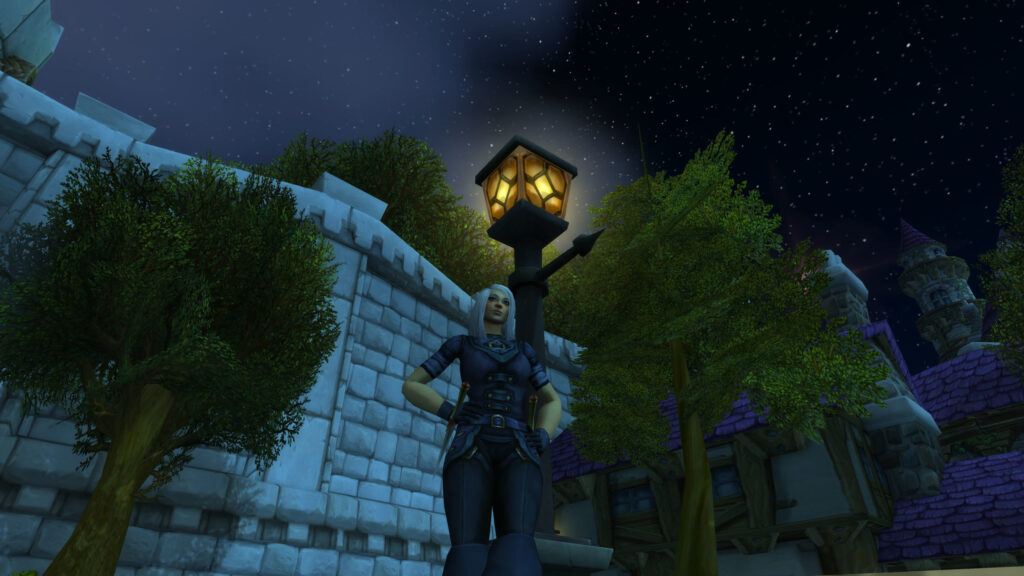
By the time a final patch arrives, the player is a legend. They are the ones the world turns to when reality itself is threatened. This shift is reflected not just in the story, but in the visuals. Equipment becomes flashier, mounts become more divine, and the enemies faced are no longer mere soldiers, but world-ending entities. This progression keeps the gameplay cycle rewarding, as players feel the literal growth of their character’s impact on the world.
Markers of Heroic Growth
| Stage | Role | Visual & Narrative Focus |
|---|---|---|
| Adventurer | Local Hero | Questing gear, regional fame, exploration. |
| Champion | Commander | Raid armor, political influence, large-scale combat. |
| Legend | World Protector | Artifact appearances, divine feats, legacy. |
This growth is reinforced through titles, achievements, and unique gear. When a player stands in a capital city, their appearance tells a story of where they have been and what they have defeated. This visual storytelling validates the hard work put into raid progression and mythic dungeons, ensuring that the player’s identity evolves in lockstep with their accomplishments.
The Weight of Responsibility
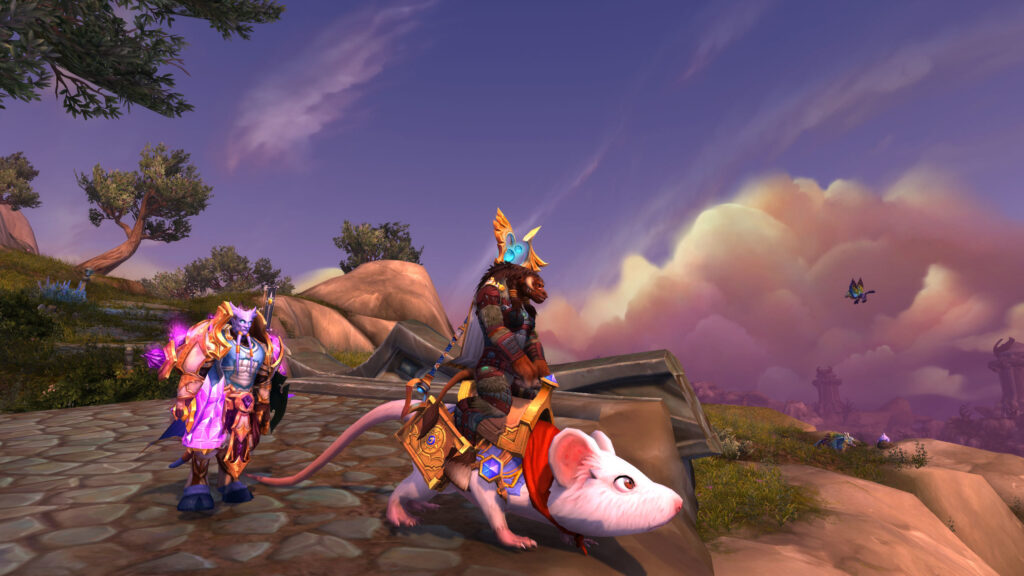
As the character shifts from adventurer to legend, the nature of the tasks changes. The game stops asking for simple tasks and begins asking for salvation. This weight of responsibility is a key design choice that makes the transition feel earned. By the time a player reaches the pinnacle of an expansion, they feel the burden of their legacy, transforming the gameplay experience from a casual hobby into a vital role in the history of Azeroth.